Discover Stunning Glass Art Techniques at KP's Resin
Glass art has captivated audiences for centuries, showcasing the beauty and versatility of this unique medium. At KP's Resin, we delve into the world of glass art, exploring various techniques that can elevate your creative projects. Whether you're a seasoned artist or a curious beginner, this blog post will guide you through some stunning glass art techniques that you can try at home.
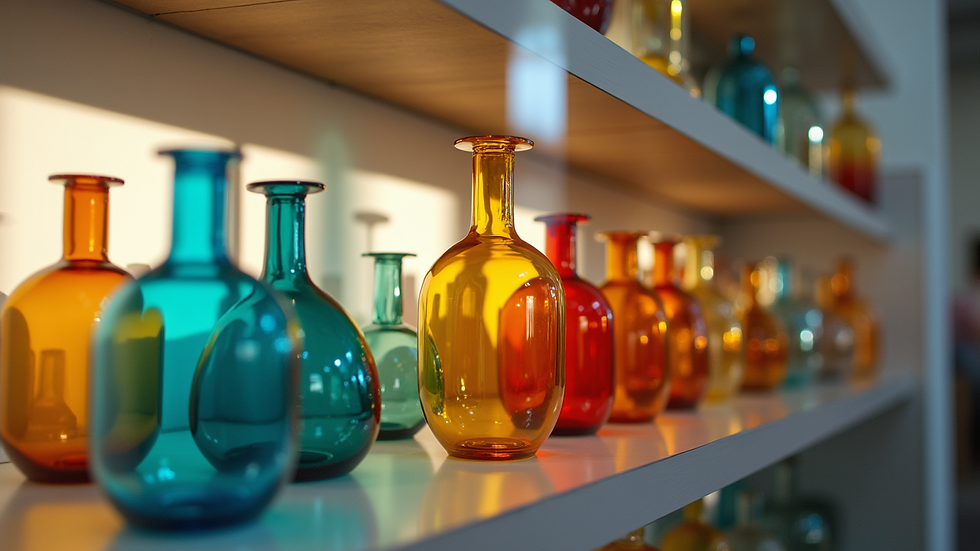
The Allure of Glass Art
Glass art is not just about aesthetics; it’s about the process, the creativity, and the stories behind each piece. The ability to manipulate glass through different techniques allows artists to express their individuality and craft unique works of art. From stained glass to fused glass, each technique offers a different way to interact with this beautiful material.
Why Choose Glass Art?
Versatility: Glass can be shaped, colored, and combined in countless ways.
Durability: When properly cared for, glass art can last for generations.
Aesthetic Appeal: The play of light through glass creates stunning visual effects.
Popular Glass Art Techniques
1. Stained Glass
Stained glass is one of the most recognized forms of glass art. This technique involves cutting colored glass into shapes and assembling them using lead came or copper foil.
Key Steps:
Design: Create a pattern or design that you want to replicate.
Glass Cutting: Use a glass cutter to cut the glass pieces according to your design.
Assembly: Fit the pieces together and secure them with lead or copper foil.
Soldering: Heat the solder to join the pieces together.
Stained glass is often used in windows, lamps, and decorative panels, adding a splash of color and light to any space.
2. Fused Glass
Fused glass art involves melting glass pieces together in a kiln. This technique allows for a wide range of creativity, from simple coasters to intricate sculptures.
Key Steps:
Preparation: Cut glass into desired shapes and sizes.
Layering: Stack the glass pieces in a kiln-safe dish.
Firing: Place the dish in a kiln and heat it to a specific temperature to fuse the glass.
Fused glass can be used for functional items like plates and bowls or decorative pieces like wall art.
3. Blown Glass
Blown glass is a traditional technique that involves inflating molten glass into a bubble using a blowpipe. This method requires skill and practice but results in stunning, unique pieces.
Key Steps:
Gathering: Collect molten glass on the end of a blowpipe.
Blowing: Blow into the pipe to create a bubble.
Shaping: Use tools to shape the glass while it is still hot.
Blown glass can be transformed into vases, ornaments, and even large sculptures.
4. Glass Casting
Glass casting involves pouring molten glass into a mold to create solid shapes. This technique is perfect for creating sculptures and intricate designs.
Key Steps:
Mold Creation: Design and create a mold using materials like plaster or metal.
Melting: Melt glass in a furnace.
Pouring: Pour the molten glass into the mold and allow it to cool.
Casting allows for detailed designs and can be used for both artistic and functional pieces.
5. Glass Etching
Glass etching is a technique that uses acid or sandblasting to create designs on the surface of glass. This method can add texture and depth to your glass art.
Key Steps:
Design Transfer: Create a stencil of your design.
Etching: Apply acid or use a sandblaster to etch the design onto the glass.
Etched glass can be used for decorative panels, mirrors, and personalized gifts.
Tools and Materials Needed
To get started with glass art, you will need some essential tools and materials. Here’s a basic list:
Glass Cutter: For cutting glass sheets.
Kiln: For fusing and casting glass.
Blowpipe: For blown glass techniques.
Molds: For casting glass.
Safety Gear: Goggles, gloves, and a mask for protection.
Tips for Beginners
If you're new to glass art, here are some tips to help you get started:
Start Small: Begin with simple projects to build your confidence.
Take Classes: Consider enrolling in a local glass art class to learn from experienced artists.
Practice Safety: Always wear protective gear when working with glass and tools.
Experiment: Don’t be afraid to try new techniques and materials.
Showcasing Your Glass Art
Once you’ve created your glass art pieces, it’s time to showcase them. Here are some ideas:
Home Decor: Use your art as decorative pieces in your home.
Gifts: Handmade glass art makes for unique and personal gifts.
Exhibitions: Participate in local art shows or exhibitions to share your work with a broader audience.
Conclusion
Exploring glass art techniques at KP's Resin opens up a world of creativity and expression. Whether you choose stained glass, fused glass, blown glass, casting, or etching, each method offers a unique way to interact with this beautiful medium. Remember to start small, practice safety, and most importantly, have fun with your creations.
Now that you have the knowledge and inspiration, it's time to gather your materials and start your glass art journey. Happy crafting!


Comments